|
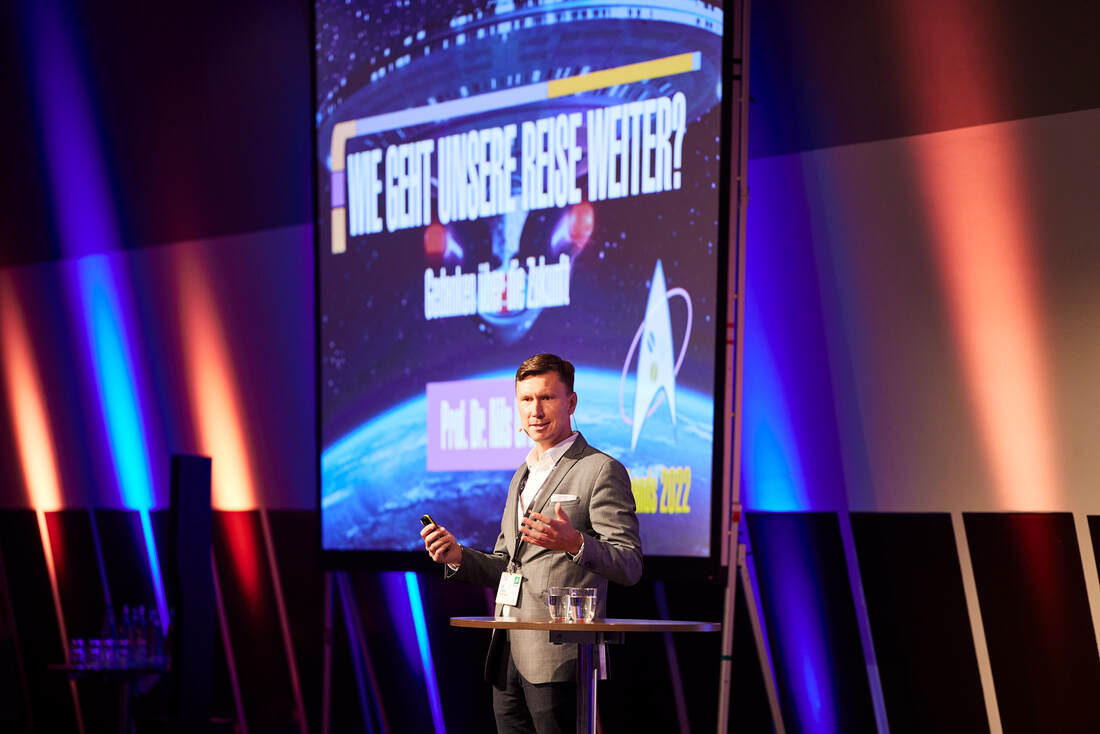
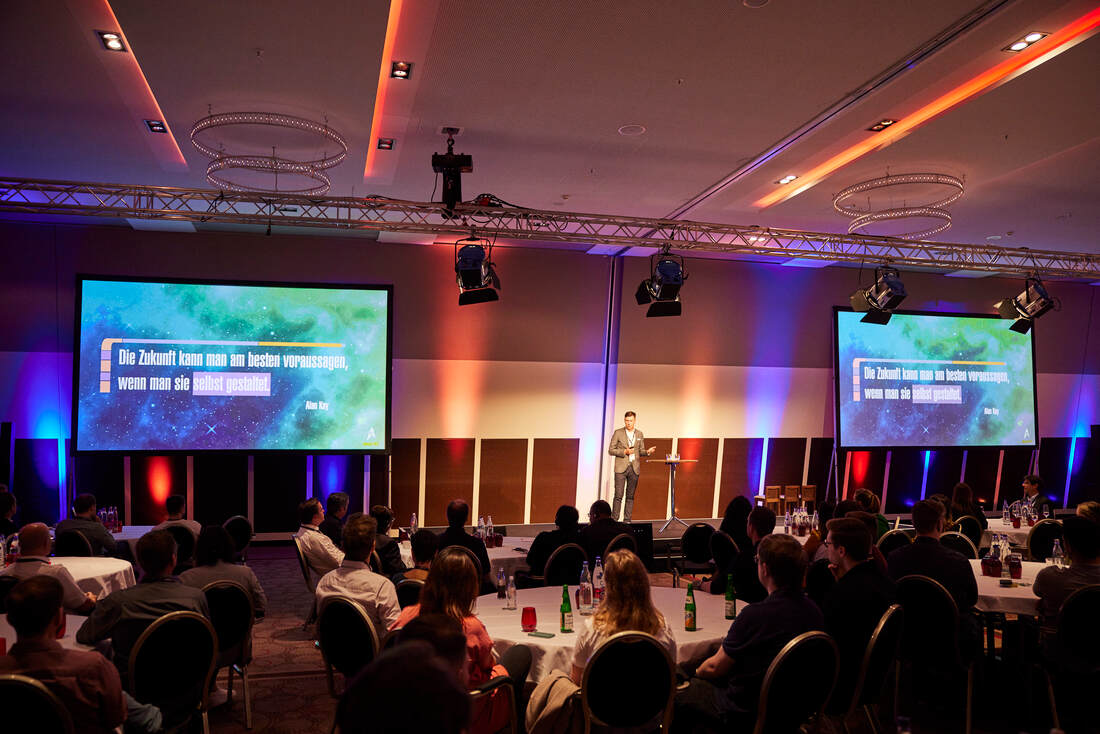
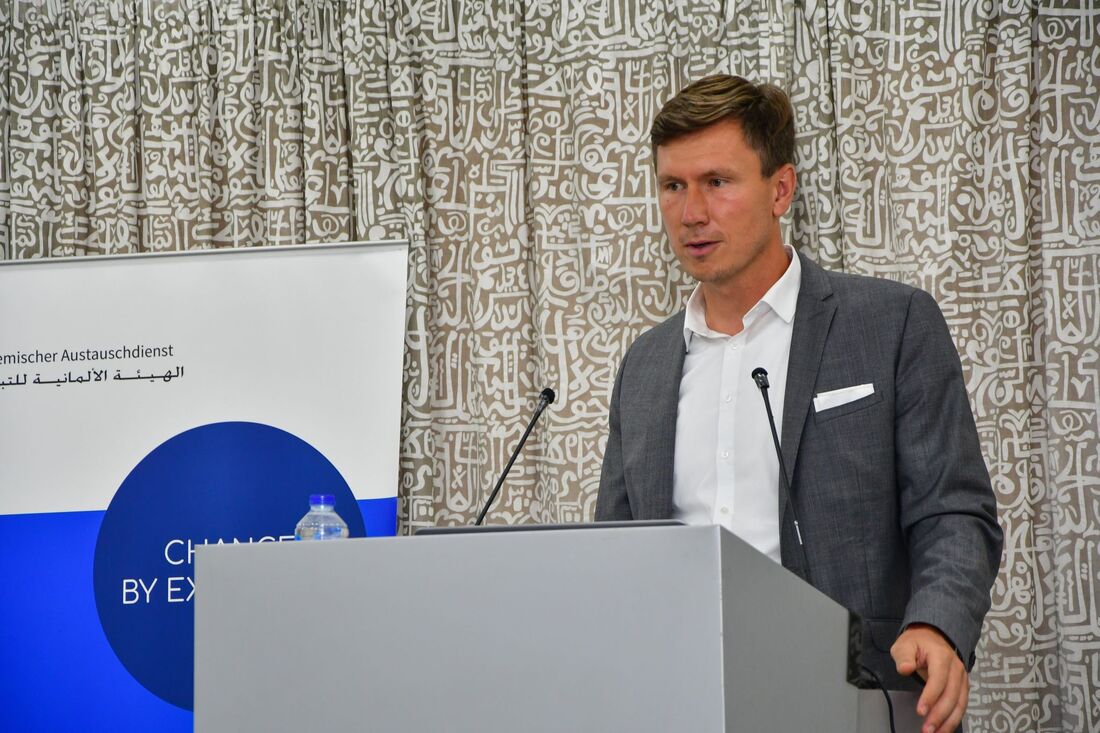
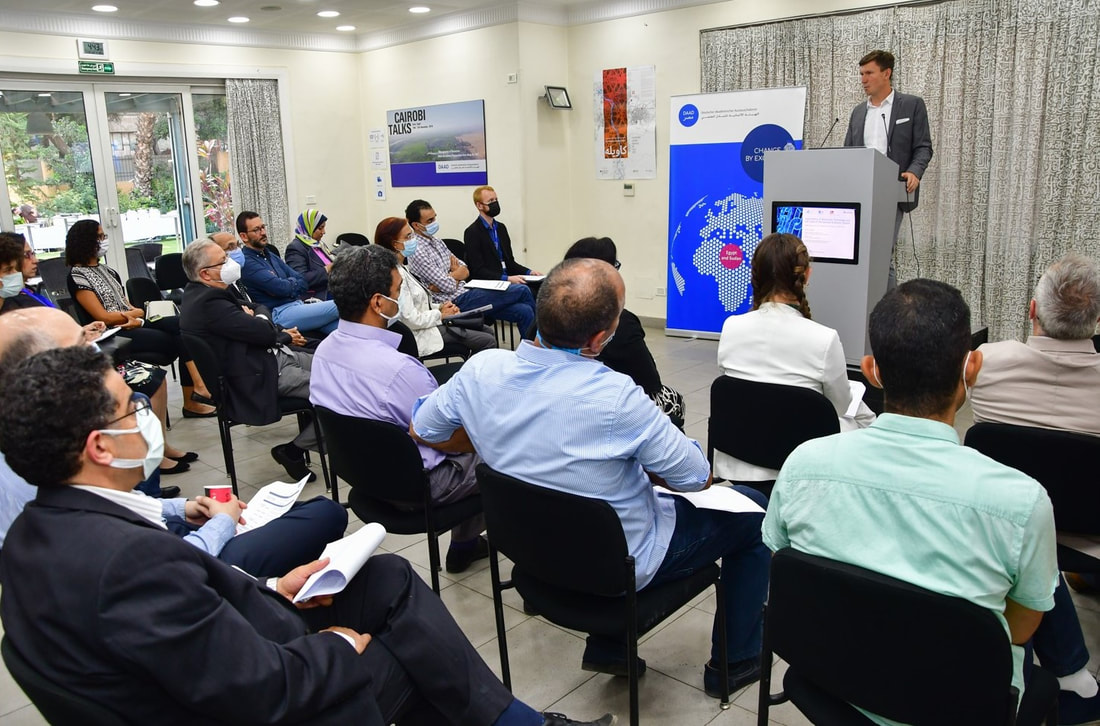
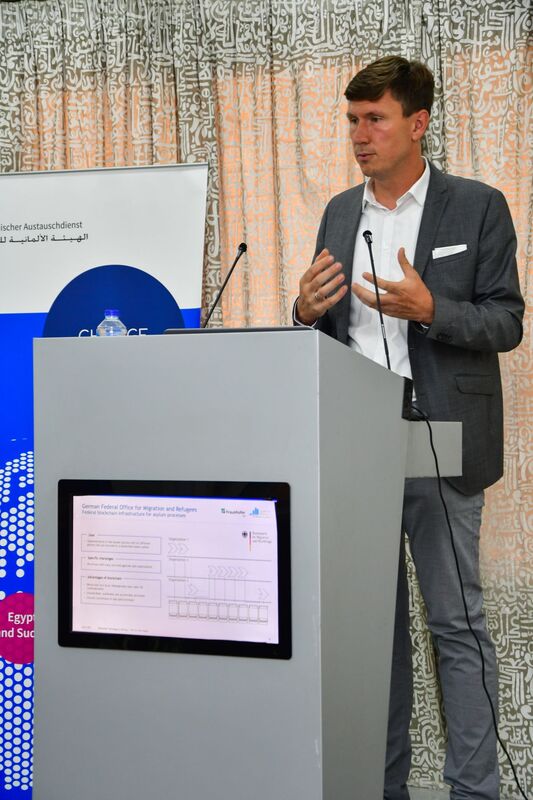
As guest editors of transfer – Zeitschrift für Kommunikation und Markenmanagement (Journal for Communication and Brand Management), Peter Hofmann and I supported and designed the focus on "AI in Communication and Brand Management" in the current issue 03/2022. We wish you a stimulating read: https://transfer-zeitschrift.net/  A couple of days ago, I gave an interview on digital identities (in German), which has now been published in the latest issue of Recht Digital (RDi). Here you find the complete interview. 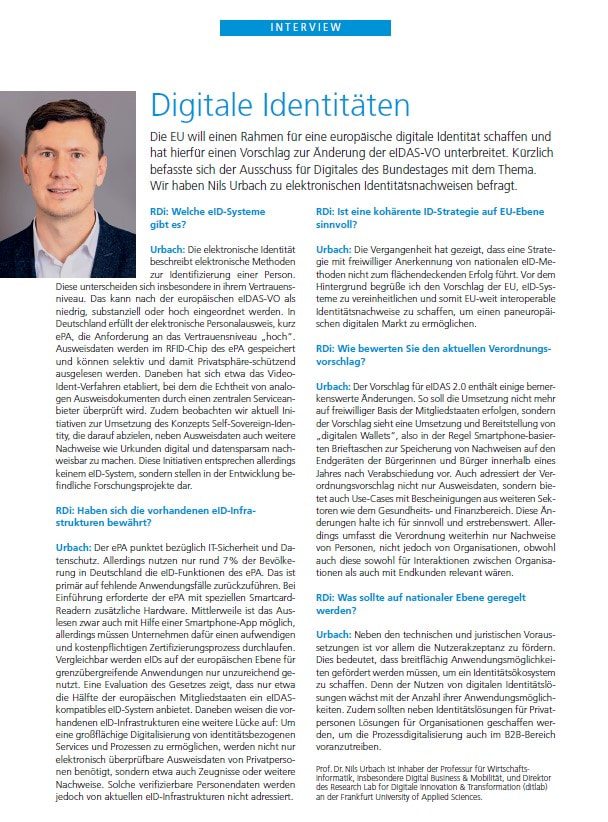 Last week, I had the pleasure to share my thoughts on the future of IT consulting as part of a keynote talk at the all-hands meeting of it-economics. In my talk, I addressed different facets regarding people and culture as well as future projects and offerings. Furthermore, we had an interesting discussion about the future of software development and the role of AI in a panel format. Ticket fraud and ticket scalping activities often cause high costs as well as trust concerns for fans buying event tickets, especially in the secondary ticketing market. To address these issues, several publications and projects have proposed using blockchain technology to enable digital trust and ticket verifiability and thus to improve event ticketing systems. However, these approaches exhibit considerable privacy challenges and fall short concerning reliable, efficient visitor identification, which is necessary for controlling secondary market transactions. We demonstrate how a novel paradigm for end-user digital identity management, called self-sovereign identity (SSI), can be utilized to gain secondary market control. To do so, we follow a rigorous design science research approach to build and evaluate an SSI-based event ticketing framework. Our findings demonstrate that SSI-based event ticketing can enable efficient secondary market control by facilitating a practical implementation of the centralized exchange model. To generalize our results, we derive design principles for the efficient, reliable, and privacy-oriented ticket and identity verification and the use of revocation registries. Please read more about our research in our latest paper accepted for publication in Electronic Markets. 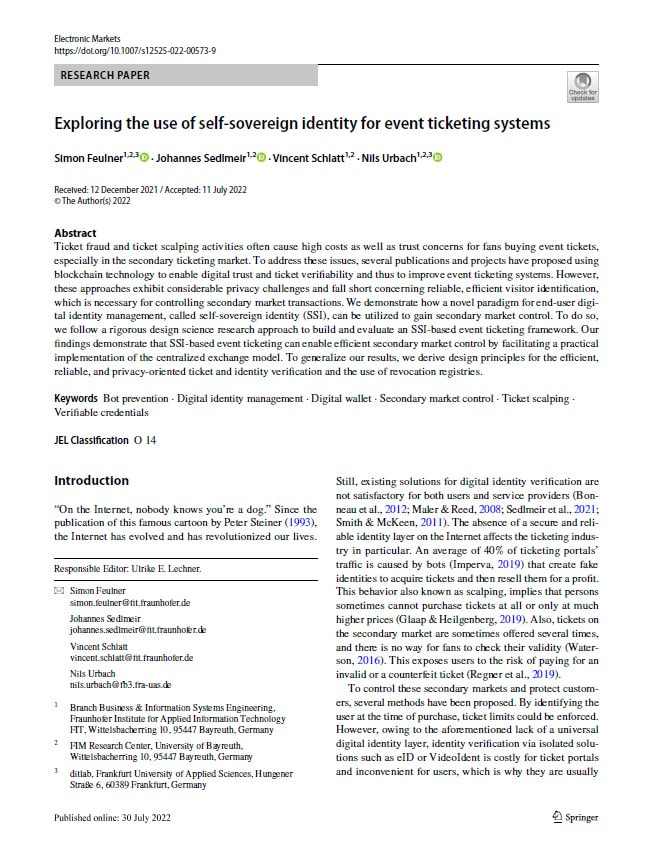 Last week, I had the honor to give a research talk on the “Applicability of Blockchain Technology and Use Cases in the German Economic System” in Cairo, Egypt. My talk was part of the DAAD Science Lecture on "Blockchain Technology" organized by the DAAD German Academic Exchange Service Cairo Office. We are pleased to announce our study on Decentralized Finance, which sheds light on this emerging phenomenon and provides both experts and non-experts with the knowledge needed to fully understand #DeFi. Our study ties in with current developments in DeFi and explores the opportunities presented by this rapidly evolving ecosystem. We also, however, address the risks and challenges that need to be overcome in order to realize the full potential of DeFi and drive its adoption. 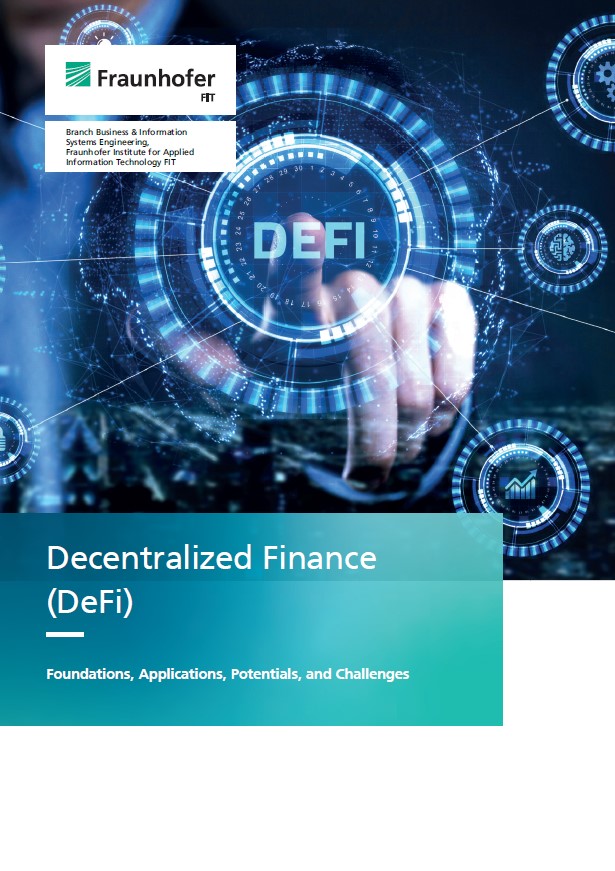 Today’s companies rely heavily on in-company information technology standards (ICITS) to reduce costs, ensure flexibility, and facilitate the planning, implementation, and operation of IT systems. Steering and managing ICITS has proven to be challenging, revealing the need for efficient governance mechanisms. But even though prior research demonstrates the challenges of ICITS, viable advice on how to implement ICITS is scarce. Thus, we developed an organizational design theory for the management of ICITS based on the framework of organizational control theory. We conducted a critical case study to identify basic goals, constitutive elements, and fundamental mechanisms of a working ICITS management. The resulting design goals and principles were then evaluated and further refined in the light of additional expert interviews. With our work, we extend the body of theoretical knowledge on the management of ICITS and help practitioners master the various challenges occurring in this domain. Please read more about our research in our latest paper accepted for publication in Information Systems Frontiers. 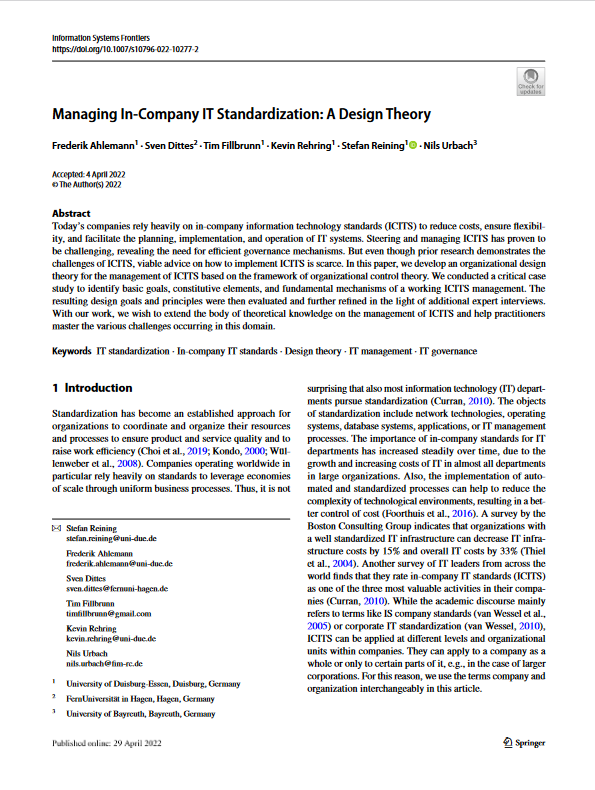 Blockchain technology has been in the interest of IS researchers and practitioners for several years. One key reason for this curiosity is the possibility to carry out peer-to-peer transactions without a trusted intermediary. Building upon this capability, many researchers posited that blockchain technology would remove traditional intermediaries from their market position. This process has been described in electronic markets literature as Disintermediation. However, other researchers proposed a more distinct perspective by proposing that blockchain technology will not facilitate Disintermediation in all settings. Thus, no unified view on this topic exists yet. Our literature review identifies three dominating concepts in blockchain literature: Extensive Disintermediation, Limited Disintermediation, and Re-Intermediation. We further highlight in our findings that most of the identified literature does not consider all market functions as described in the electronic markets literature. Hence, we provide a structured overview of the field and possibilities for future research. Please read more about our research that has been accepted for presentation at the 30th European Conference on Information Systems (ECIS 2022) which will take place from June 18 to 24 in Timisoara, Romania. 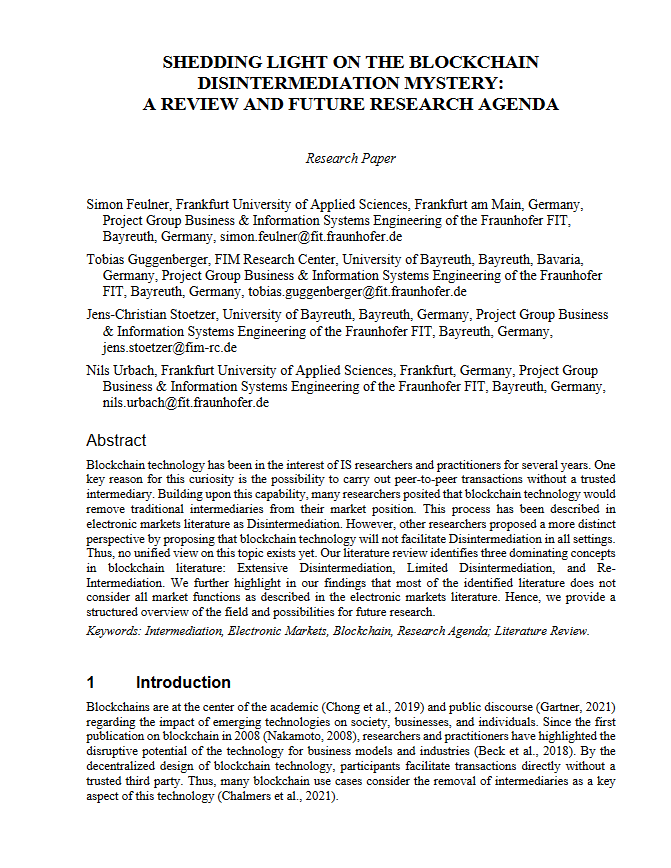 I am happy that Electronic Markets published our position paper “The transparency challenge of blockchain in organizations” which is now available online (Open Access). This paper discusses the challenges of blockchain applications in businesses and the public sector related to an excessive degree of transparency. We first point out the types of sensitive data involved in different patterns of blockchain use cases. We then argue that the implications of blockchains’ information exposure caused by replicated transaction storage and execution go well beyond the often-mentioned conflicts with the GDPR’s “right to be forgotten” and may be more problematic than anticipated. In particular, we illustrate the trade-off between protecting sensitive information and increasing process efficiency through smart contracts. We also explore to which extent permissioned blockchains and novel applications of cryptographic technologies such as self-sovereign identities and zero-knowledge proofs can help overcome the transparency challenge and thus act as catalysts for blockchain adoption and diffusion in organizations.  In the industrial Internet of Things (IIoT), digital platforms have recently received significant attention. Although IIoT platforms revolve around similar business objectives, they address various use cases and, thus, differ considerably in their architectural setup. While research has already investigated IIoT platforms from a business or design perspective, little is known about their underlying technology stack and its implications. To unveil different IIoT platform configurations and better understand their architectural design, we systematically developed and validated a taxonomy of IIoT platforms’ architectural features based on related literature, real-world cases, and expert interviews. On this foundation, we identified and discussed five IIoT platform archetypes (Allrounder, Device Controller, Data Hub, Service Enabler, Connector). Our findings contribute to the descriptive knowledge in this ambiguous research field while also elucidating the interplay of IIoT platforms’ architectural setup and their purpose. From a managerial viewpoint, our results may guide practitioners in comparing and selecting a suitable IIoT platform. Please read more about our research in our latest paper published in Electronic Markets. 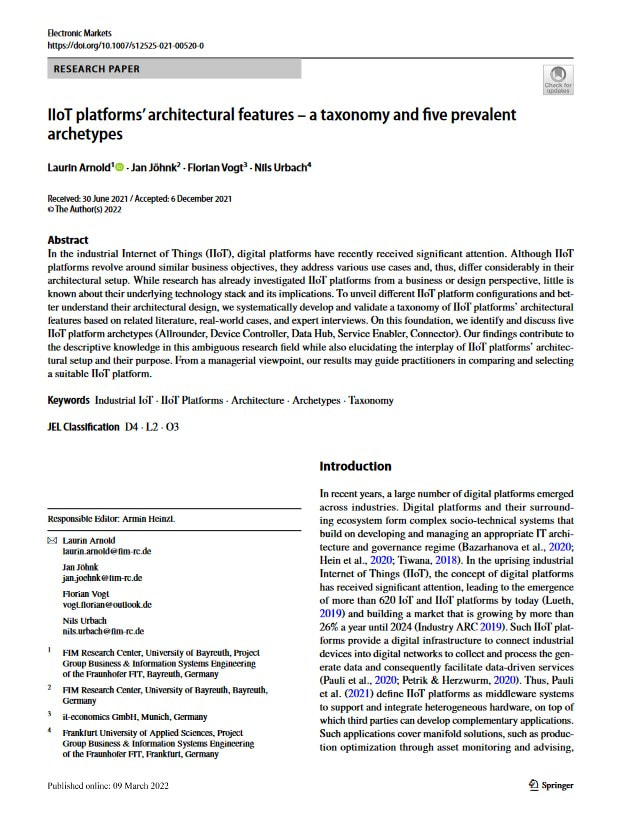 |
Archives
April 2024
|



 RSS Feed